
Chattogram
Chattogram
Chattogram is Bangladesh's main port and second-largest city, and the gateway to the Chittagong Hill Tracts. Travellers come for business, for Patenga beach and as a stop on the way to the hills.
Local food to try
Where to eat
Where to stay
Culture
The port city has its own language — Chatgaiya, which other Bangladeshis find hard to follow — and its own feast.
- Mezban: a community feast of beef cooked in great pots, held for weddings, memorials and celebrations; everyone is fed.
- Jabbarer Boli Khela: a traditional wrestling contest at Laldighi every Boishakh, over a century old, with a fair around it.
- Maizbhandari songs, devotional music from the Sufi shrine at Maizbhandar in Fatikchhari.
- The hills to the east are home to the Chakma, Marma, Tripura and other indigenous peoples, with their own festivals, crafts and Buddhist temples.
History
Chattogram sits where the Karnaphuli river meets the Bay of Bengal, and for as long as there are records it has been a port. Arab and Persian traders knew it, the Chinese admiral Zheng He’s fleets called in the fifteenth century, and the Portuguese, who settled here in the sixteenth, called it Porto Grande — the great port. For centuries the town changed hands between the sultans of Bengal, the kings of Tripura and the kingdom of Arakan.
In 1666 a Mughal army under Shaista Khan’s son took Chattogram from Arakan and renamed it Islamabad. The East India Company gained it in 1760, and in the late nineteenth century the Assam Bengal Railway linked the port to the tea gardens of Assam, making it the main outlet for the region’s trade.
In 1930 Surya Sen and his followers raided the British armoury here, one of the boldest acts of the anti-colonial struggle, and in the Second World War the city was a base for the Burma campaign; the war cemetery is a reminder of those years.
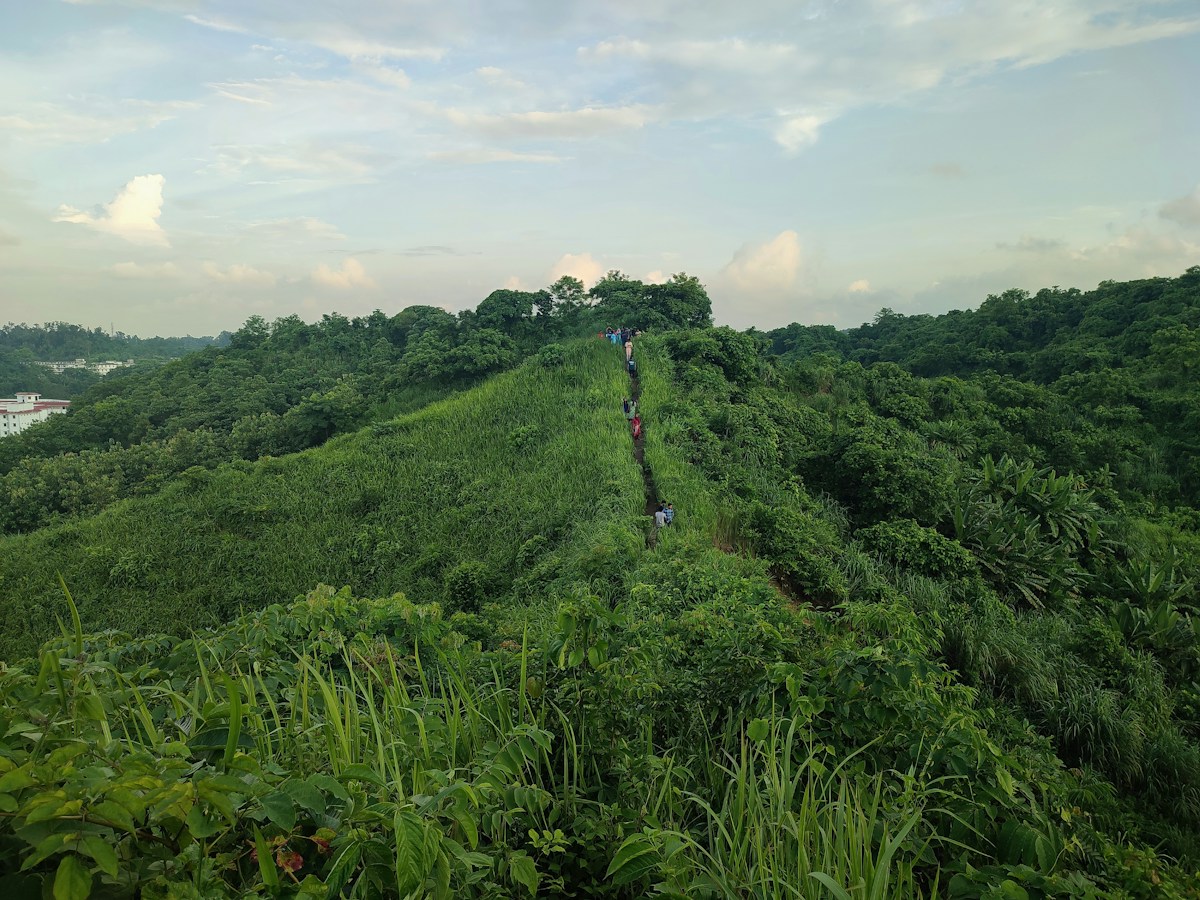
Today Chattogram is Bangladesh’s second city and its main seaport. Hills run right into the city, the shrines of Bayazid Bostami and Shah Amanat draw pilgrims, and the beaches, hill tracts and Cox’s Bazar all lie within a few hours’ journey.
Plan your visit
Best time to visit
November to February
How to get there
Buses from Dhaka take about 5–7 hours on the Dhaka–Chattogram highway, with day and night departures; coaches stop at counters around Dampara, GEC and Oxygen. Trains run from Dhaka to Chattogram station, and there are domestic flights to Shah Amanat International Airport.
Getting around
- CNG auto-rickshaws go everywhere; agree the fare first.
- Ride-hailing apps work across the city.
- Rickshaws for short hops; tempos and legunas run fixed routes.
- For Sitakunda and Mirsharai, take buses up the highway; for Rangamati and Bandarban, buses leave from the city’s terminals.