
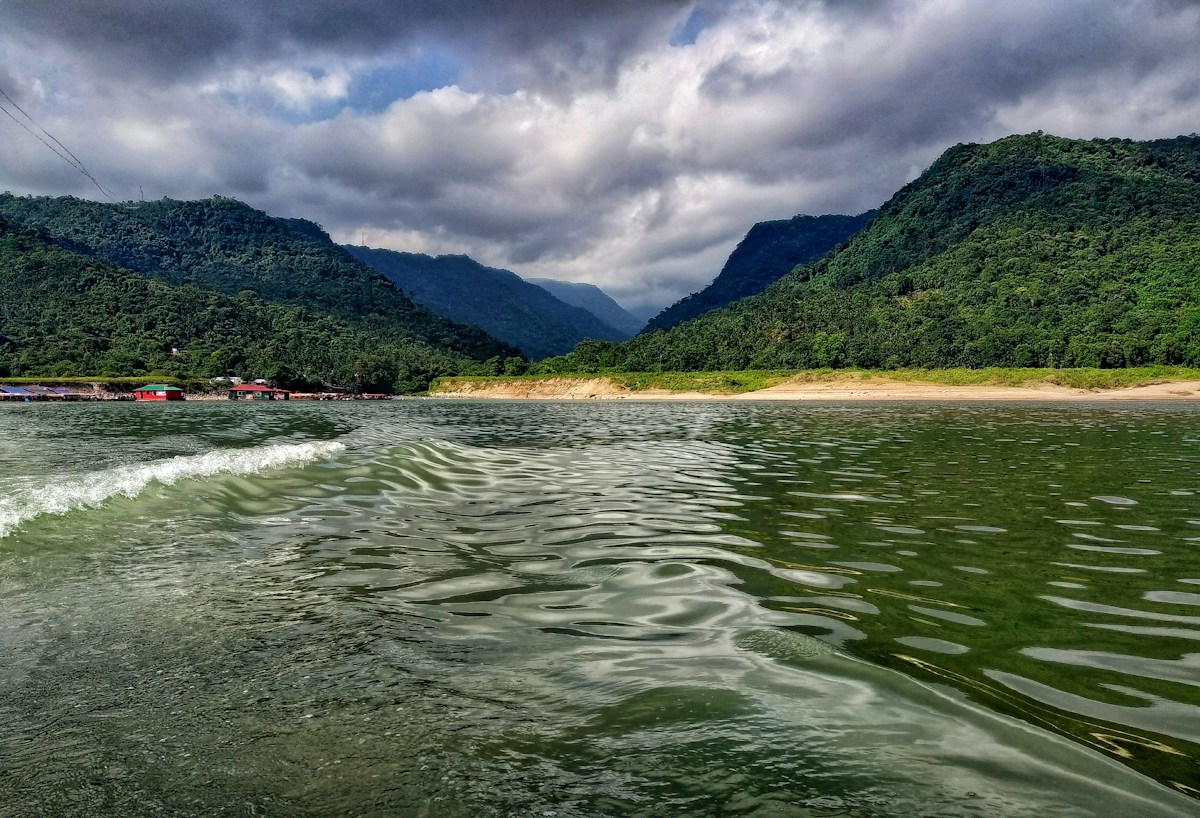
Sylhet
Sylhet
Sylhet, in Bangladesh's north-east, is known for its tea gardens, the Ratargul swamp forest and Jaflong on the Indian border, and for the shrine of Hazrat Shah Jalal.
Local food to try
Where to eat
Where to stay
Culture
Sylhet is known as a spiritual city: the shrines of Hazrat Shah Jalal and Hazrat Shah Paran draw visitors from across the country.
- The tea gardens around Sreemangal and Moulvibazar have their own communities, with Manipuri, Khasi and tea-worker villages.
- Manipuri dance and handwoven Manipuri cloth come from the villages around Kamalganj.
- The mystic songs of Hason Raja and Shah Abdul Karim come from this region.
- Many Sylheti families have relatives in Britain, which shows in the city’s shops, houses and remittance-built villages.
History
Sylhet, known in old texts as Srihatta, lies in the valley of the Surma river, with the hills of Meghalaya to the north and Tripura to the south. For centuries it was ruled by local Hindu kings, until in 1303 the Sufi saint Hazrat Shah Jalal arrived with his companions and the last of them, Gour Govinda, was defeated. Shah Jalal’s shrine in the city, and that of his nephew Shah Paran on its edge, have drawn pilgrims ever since, and Sylhet is still called the land of three hundred and sixty saints.
Under the Mughals and then the British, Sylhet was a frontier district of Bengal. In 1874 the British joined it to the new province of Assam, and in 1947 a referendum decided that most of it would join East Bengal, while the Karimganj area went to India.
Tea changed the landscape. The first commercial tea garden in the subcontinent was planted at Malnicherra, on the edge of the city, in the 1850s, and gardens soon covered the low hills across the region. In the twentieth century many Sylheti seamen and workers settled in Britain, and the money and ties they sent home shaped the city’s houses, shops and way of life.
Today Sylhet is a green, prosperous city on the Surma, crossed by the Keane Bridge of 1936, and the gateway to Jaflong, Ratargul, Bisnakandi and the haors of the north-east.
Plan your visit
Best time to visit
June to October for waterfalls, rivers and the haor; November to February for dry weather and the tea gardens
How to get there
Buses from Dhaka take about 5–7 hours on the Dhaka–Sylhet highway, with day and night departures. Trains run from Dhaka to Sylhet (stopping at Sreemangal), and Osmani International Airport has domestic flights.
Getting around
- CNGs and rickshaws in the city.
- For Jaflong, Ratargul, Bholaganj and Bisnakandi, hire a CNG, car or microbus for the day — the spots are spread out and the last stretch is often by boat.
- Boats at the river ghats: some ghats post fixed rates; otherwise agree the price and the time before you set off.
- In the rainy season, roads and ghats can close after heavy rain; ask locally that morning.